
Fact-Check Hero
By completing this activity, you will learn how to identify and analyse fake news using six essential verification elements: origin, source, dates, clickbait, authors, and visual content. They will develop critical thinking, media literacy, and digital safety skills by evaluating websites, headlines, authors, and images to determine whether information is trustworthy or misleading.
You will gain practical experience in:
- recognising fake or suspicious webpages,
- verifying news sources and “About Us” sections,
- identifying clickbait and emotionally manipulative content,
- analysing author credibility and intent,
- checking photos and videos for authenticity,
- explaining and justifying their conclusions using evidence.
After completing the activity, you will be better prepared to navigate online information responsibly and act as informed digital citizens and fake news detectives.
Norėdami gauti ženkliuką, turite atlikti 1 užduotį
Užduotys
Užduotis nr.1
Įrodymus patikrino: vienas renginio organizatorius
Task 1. Origin
Užduotis nr.2
Įrodymus patikrino: vienas renginio organizatorius
Task 2. Source
Check out this web pages:
What do you think about them? Did you visit the “About us” section to verify the source? Write your analysis in a few sentences.
Užduotis nr.3
Įrodymus patikrino: vienas renginio organizatorius
Task 3. Clickbait

Act as a fake news detective. Based on the picture above, which news story (A or B) do you think is fake? Share your thoughts under Task 3 and explain your reasoning.
Užduotis nr.4
Įrodymus patikrino: vienas renginio organizatorius
Task 4. Author
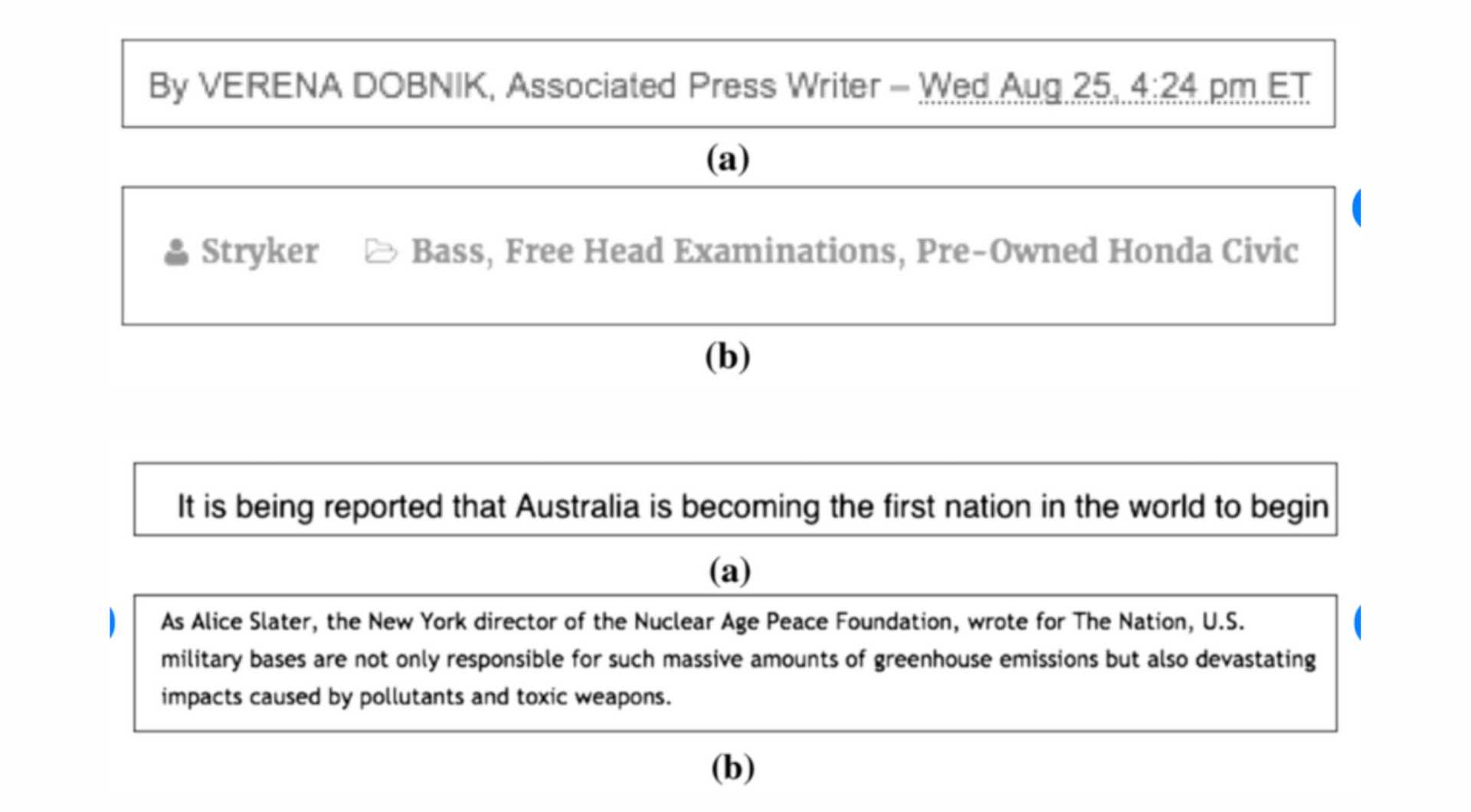
You have two examples of authors and the messages they want to share with their audience. Analyse both and decide which one you believe is fake: A or B. Write your answer and reasoning.
Užduotis nr.5
Įrodymus patikrino: vienas renginio organizatorius
Task 5. Photo
We have a task for you! Take your phone and open Goolge, find this place:

Write down what did you find about this place
Užduotis nr.6
Įrodymus patikrino: vienas renginio organizatorius
Task 6. Migration

Write down your analysis.
Užduotis nr.7
Įrodymus patikrino: vienas renginio organizatorius
Task 7. Climate change


Awero palaiko šią platformą ir plėtoja ją kartu su pagrindinėmis švietimo organizacijomis. Europos Sąjungos programa Erasmus+ dalinai finansavo pirmosios platformos versijos sukūrimą. Susisiekite su mumis [email protected].
Pakeisti į kitą kalbą: