
2
CO2, climate change and human footprint for future of the planet
CO2, climate change and human footprint for future of the planet
Content
You've probably been hearing a lot about climate change🌎 and how you should reduce your carbon footprint. But what's that exactly? Let’s discover together what exactly it is:
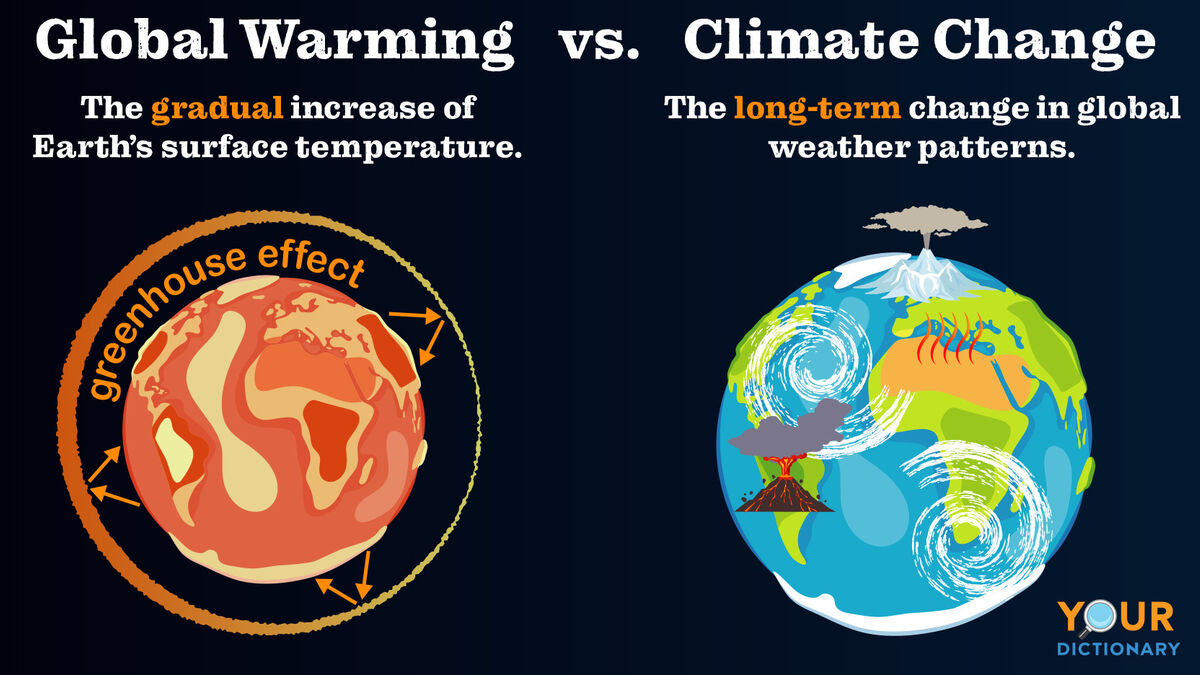
Although people tend to use these terms interchangeably, global warming is just one aspect of climate change. “Global warming” refers to the rise in global temperatures🌡 due mainly to the increasing concentrations of greenhouse gases in the atmosphere. “Climate change📈” refers to the increasing changes in the measures of climate over a long period of time – including precipitation, temperature, and wind patterns.
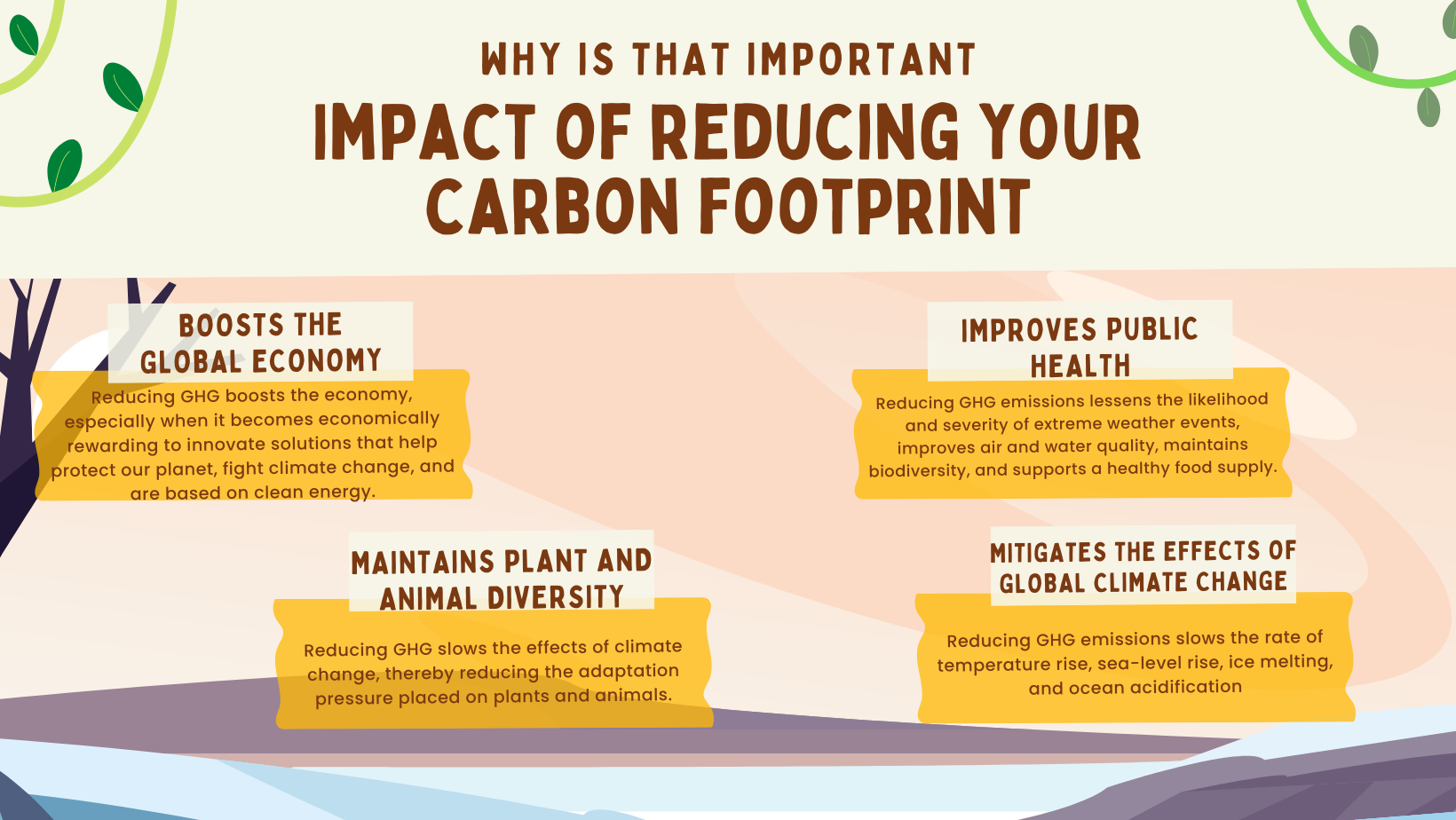
Reducing your carbon footprint is important because it mitigates the effects of climate change, which has a positive cascade effect on public health and plant and animal diversity. In addition, this boosts the global economy and leads to innovative, more environmental-friendly solutions.
What Are the Main Ways how to Reduce Your Carbon Footprint
🏡Reduce your household footprint:
- 💧Wash with cold water: Washing clothes in cold water could reduce carbon emissions by up to 11 million tons.
- Replace incandescent bulbs with fluorescent bulbs⚡️: Fluorescent bulbs use 75% less energy than incandescent ones, saving energy and thus reducing electricity demand and greenhouse gas emissions.
🛄Reduce your travel footprint:
- Fly less: Aviation✈️ accounts for around 1.9% of global GHG emissions and 2.5% of CO2.
- Walk or bike when possible: Using a bike instead of a car can reduce carbon emissions by 75%. These forms of transportation also provide lower levels of air pollution.
🦶🏻Reduce your lifestyle footprint:
- Switch to Renewable Energy Sources: The six most common types of renewable energy are solar🌞, wind, hydro, tidal, geothermal, and biomass energy🧪. They can reduce the effects of global warming by limiting global GHGs and other pollutants.
- Recycle: Recycling uses less energy and deposits less waste in landfills. Less manufacturing and transportation energy costs means less GHG emissions generated. Less waste in landfills means less CH4 is generated.
- Switch from single-use to sustainable products👜: Reusing products avoids resource extraction, reduces energy use, reduces waste generation, and can prevent littering.
- Take shorter showers: Approximately 1.2 trillion gallons of water are used each year in the US just for showering purposes, and showering🚿 takes up about 17% of residential water usage. The amount of water consumed and the energy cost of that consumption are directly related. The less water we use the less energy we use. And the less energy we use, the less of a negative impact we have on the environment🌏
-
You could find more information about the sustainable living and ecotips for by following these links:
🌿https://www.instagram.com/go_green_youth_navigator/
🌿http://gogreenyouthnavigator.net
Get activity badge
The footprint for future of the planet Get this badge
Having this badge means you reflect and challenge your sustainability values and worldviews in terms of the topics like climate change and food print. You advocate for equity and justice for current and future generations while supporting the view that humans are a part of nature by calculating CO2 consumption, sharing your insights with others and taking actions to help our planet.
You have to finish all tasks to get the badge
Tasks
Task no.1
Evidence verified by: one activity organiser
Calculate your own Carbon Footprint and compare it to the average in your country, the European Union and worldwide.
Task no.2
Evidence verified by: one activity organiser
Reflect on this topic:
- think about your three insights or facts, which you did not know before?
- do you concern more now about climate change?
- what the most important reason for you to reduce your food print?
Task no.3
Evidence verified by: one activity organiser
- Choose 3 actions from the list "What Are the Main Ways how to Reduce Your Carbon Footprint"
- Implement new habits during 21 days
Skills
ESCO
#climate change impact
ESCO
#performing carbonation processes
ESCO
#self-awareness
ESCO
#environmental sustainability
Organisers
Antwerpen City of Learning

Awero not-for-profit organisation manages this platform and develops it together with leading educational organisations. The European Union's programme Erasmus+ granted co-funding for building the first version of this platform. Contact [email protected].
Change to another language: